
TL;DR | Estimated Reading Time: 6 Min
People use AI tools like ChatGPT or Claude when they need to delegate thinking and reduce uncertainty quickly. To create content that actually converts, you must identify the specific "stuck" moments that drive these prompts rather than relying on abstract keywords. By reverse-engineering these moments of tension, you can provide the direct, decisive answers that earn immediate trust.

Field Notes & Insights
By David Cox
Owner, 4Adventure Media
Your Customers Aren’t Searching. They’re Asking for Relief.
When someone opens ChatGPT, Claude, or Perplexity, they’re not browsing. They’re delegating thinking. This is the shift most businesses miss. Google searches are about discovery. AI prompts are about pressure. Something isn’t working, time is short, and they want a clear answer without sorting through ten tabs.
If you want to know what your ideal customer is searching for on AI, you don’t start with keywords. You start with the moment that pushed them to ask for help. Usually, it sounds like this in their head:
I don’t know what to focus on.
I hired help and I’m not sure it’s paying off.
I know this matters, I just don’t have the bandwidth.
Explain this without the fluff.
Those moments are your raw material.
“People don’t open AI tools to explore. They open them because something feels stuck.”
Identifying the "Stuck" Moment
- Delegated Thinking: Customers use AI to process complex decisions they don't have time to handle alone.
- Pressure Language: Prompts are often messy, specific, and unpolished compared to clean search terms.
- Decision Fatigue: The goal of the user is to make a decision feel lighter and more manageable.
- Validation: Real customer intent is found in unpolished emails, intake forms, and specific YouTube comments.
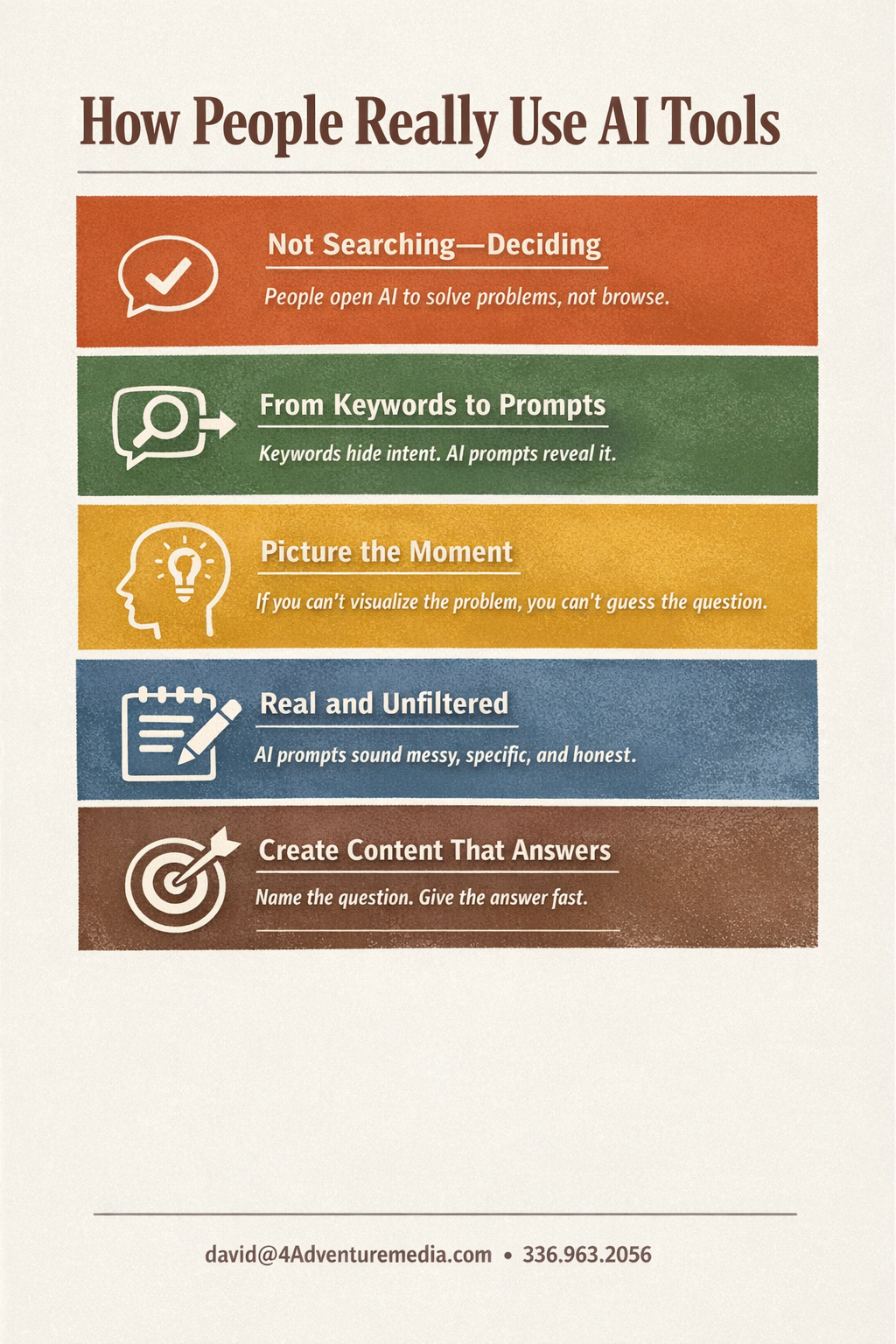
“AI prompts aren’t searches. They’re pressure put in to plain language.”
The Guide’s Strategy: Reverse Engineering the Prompt
To find what your customers are asking, you have to picture the exact situation that causes them to open an AI tool instead of texting a friend or Googling.
Listen for the Language
Stop looking for buzzwords and start looking for sentence structures that signal frustration. When you see the same problem phrased three different ways in your inbox or DMs, you’ve found the "question behind the question." This is the raw material for content that provides genuine relief.
“People don’t pay for information. They pay to reduce uncertainty.”
Answer Early and Often
Content that wins in an AI-first world names the problem clearly and provides an answer fast. If your opening takes five paragraphs to get to the point, you’ve already lost the person looking for a quick decision. Lower the cognitive load by being the most decisive voice in the room.
If you want a clear answer on whether your website is built as a decisive resource, email me at david@4Adventuremedia.com or call 336.963.2056. I will walk through your setup, explain what is happening in plain language, and tell you what makes sense next so you can move forward with clarity instead of guesswork.
Not sure where to start? Let’s figure it out together.
Moving from where you are to where you need to be requires a strategy built for your unique needs. If you have questions about applying these concepts to your specific business, I’m just a message away—you can reach me directly at david@4adventuremedia.com or by calling or texting 336.963.2056 for a personalized consultation.
Get in Touch — Let’s start the conversation today.
Field Notes & Insights
By David Cox
Owner, 4Adventure Media
With over 12 years of experience in visual media, I am driven by a passion for solving complex problems and helping clients reach their most ambitious goals.
May 4th, 2026
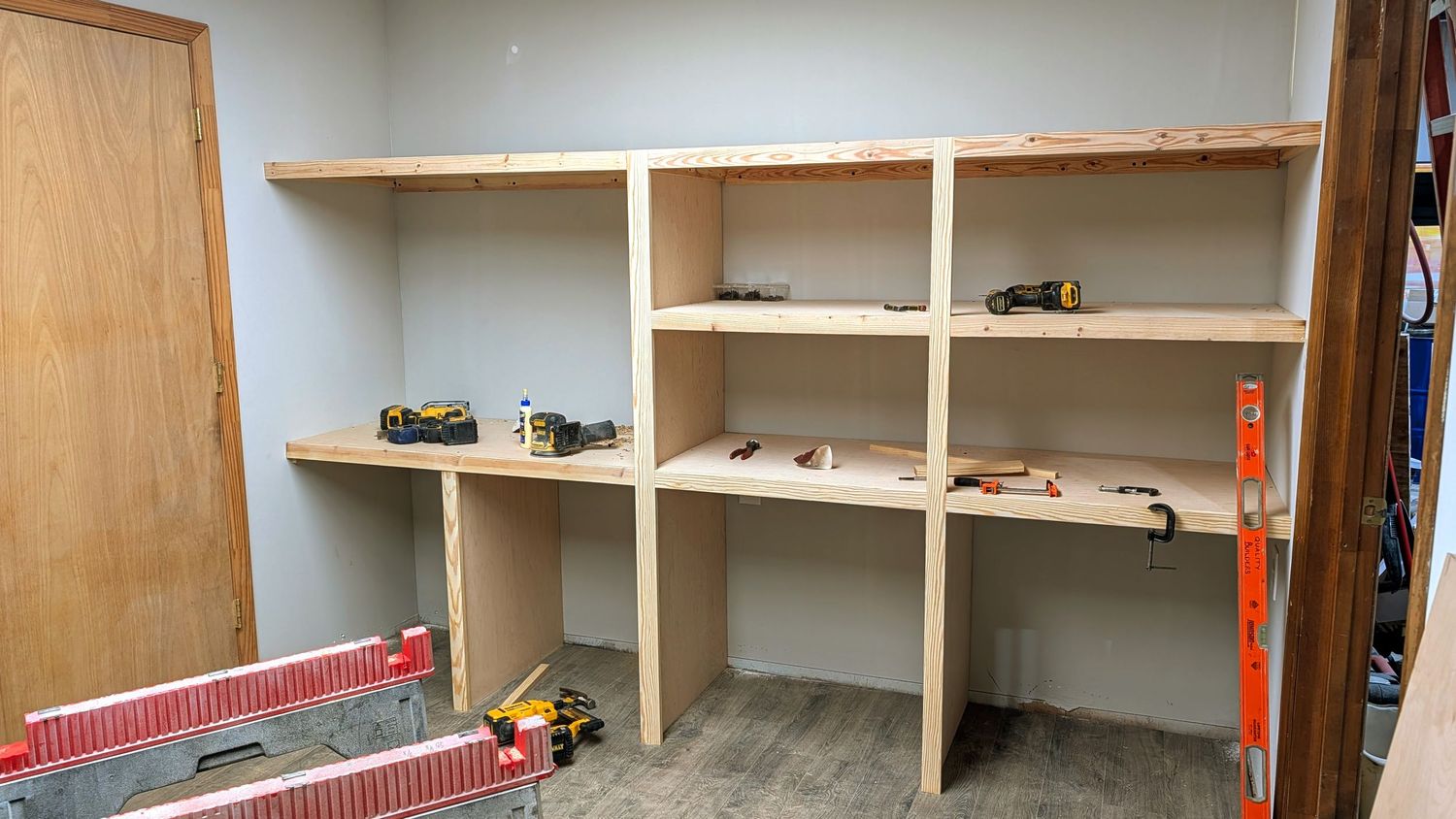
Why Asheboro Contractors Lose High-Ticket Bids to "Scruffy" Competition
Website Conversion, Contractor Branding, Local Business Marketing, Visual Trust, Central North Carolina
March 25th, 2026
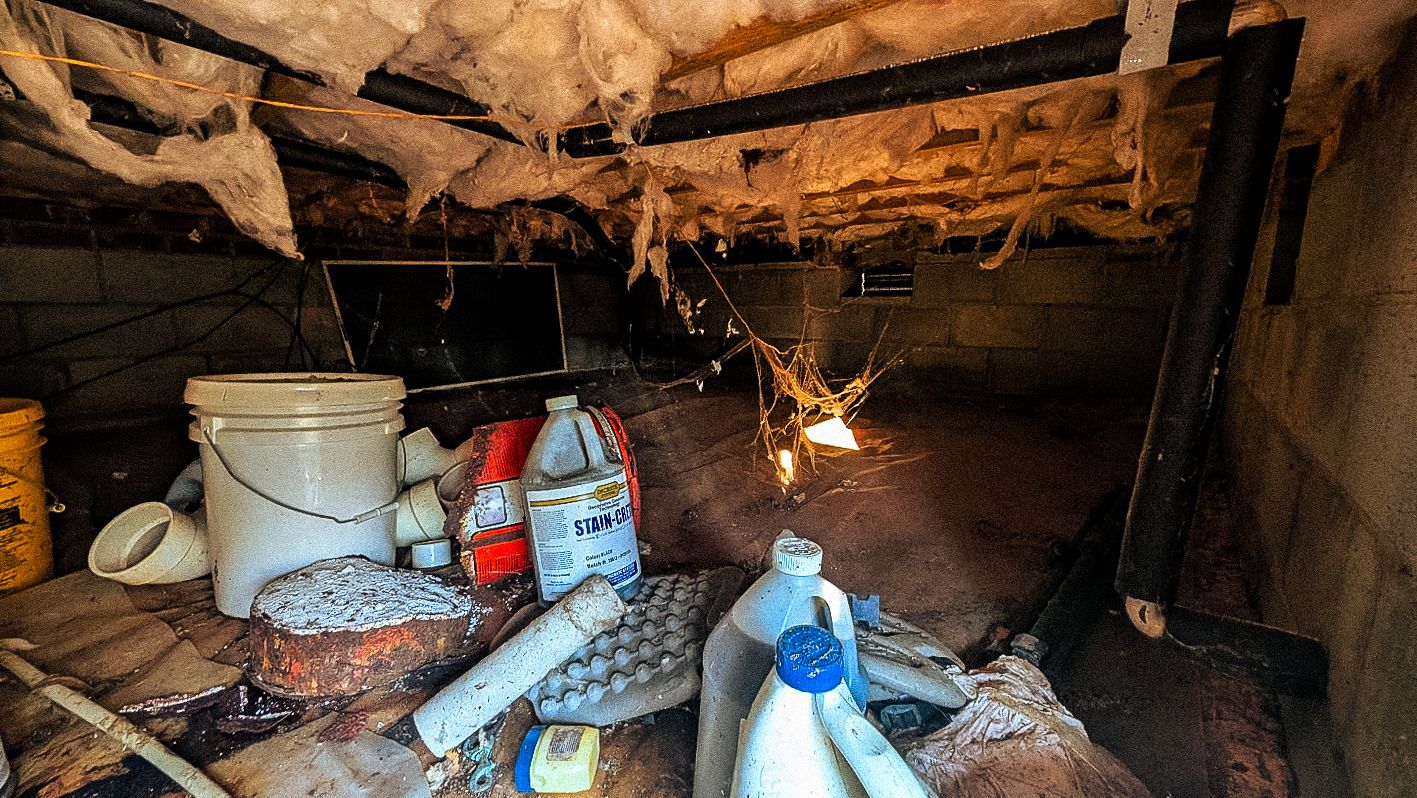
Why Homeowners Ghost Your Estimates | Asheboro NC
Website Conversion, Construction Marketing, Contractor Branding, Local Business Marketing, Visual Trust
March 23rd, 2026
